Few regulations have reshaped American driving as quietly as Corporate Average Fuel Economy, better known as CAFE. Born from the 1973 oil embargo and tightened repeatedly since, these rules set the minimum average fuel economy automakers must hit across their fleets. Almost every shift you have noticed at the dealership, smaller engines, more gears, hybrids, even the rise of crossovers, traces back in part to how Washington writes and rewrites these targets.
The 1975 starting point
Congress passed the Energy Policy and Conservation Act in 1975, a direct response to the OPEC oil embargo that had doubled gasoline prices and triggered rationing. The law instructed the National Highway Traffic Safety Administration to set fleet-wide fuel economy standards for passenger cars beginning with the 1978 model year, starting at 18 miles per gallon and climbing to 27.5 mpg by 1985.
Light trucks, a smaller share of the market then, were regulated separately and more leniently. That split would matter enormously later. Automakers initially met the targets by downsizing cars, switching to front-wheel drive, and introducing fuel injection. Average new-car fuel economy rose sharply between 1975 and the late 1980s, roughly doubling according to EPA trends reports.
The long plateau, 1990 to 2005
After the mid-1980s, CAFE targets effectively froze. Car standards stayed near 27.5 mpg for two decades while light-truck standards inched up slowly. At the same time, SUVs and minivans, classified as light trucks, surged in popularity. Buyers wanted more space and towing capacity, gasoline was cheap by historical standards, and the regulatory gap rewarded automakers for selling larger vehicles.
Real-world fleet fuel economy, the figure EPA tracks across everything sold, actually declined slightly through the 1990s and early 2000s. Engines got more powerful and vehicles got heavier, but mpg stagnated. This period is why a 2003 family hauler often returns worse mileage than a 1988 sedan despite twenty-five years of engineering progress.
Footprint rules and the modern reset
In 2007, Congress passed the Energy Independence and Security Act, requiring a combined car and truck standard of 35 mpg by 2020. NHTSA and EPA then rebuilt the system around vehicle footprint, the rectangle between the four wheels. Larger footprints get easier targets, smaller ones get tougher targets. The intent was to stop penalizing automakers for building big vehicles people wanted, but critics note it also reduced pressure to shrink the fleet.
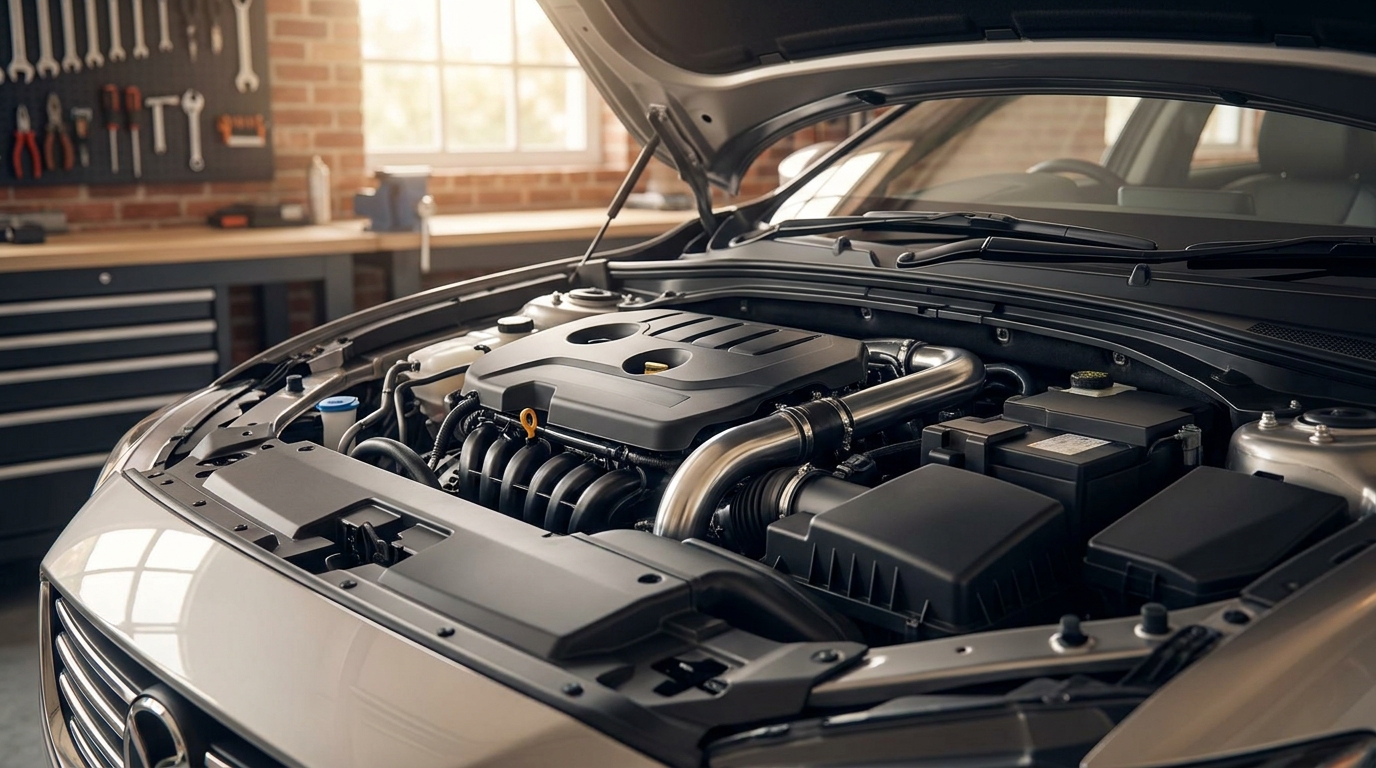
From 2012 onward, standards tightened roughly 4 to 5 percent per year on paper. Credits for electric vehicles, plug-in hybrids, and efficient air conditioning softened the real climb. Still, the changes pushed widespread adoption of turbocharged small engines, eight to ten speed transmissions, cylinder deactivation, and stop-start systems across nearly every brand sold in the US.
Where the numbers stand now
Stated CAFE targets and real-world EPA fuel economy are two different things. The CAFE test cycle is older and more generous, so a 49 mpg CAFE figure typically translates to roughly 36 mpg on the window sticker. Both have risen, but the gap explains why headline numbers sound higher than what drivers actually see.
NHTSA finalized new standards in 2024 covering model years 2027 through 2031, raising passenger car requirements by 2 percent per year and light trucks by 2 percent per year starting in 2029. The agency projects an industry-wide average near 50 mpg by 2031 under CAFE math. Whether automakers hit that through hybrids, EVs, or paying civil penalties remains an open question.
What it means for buyers
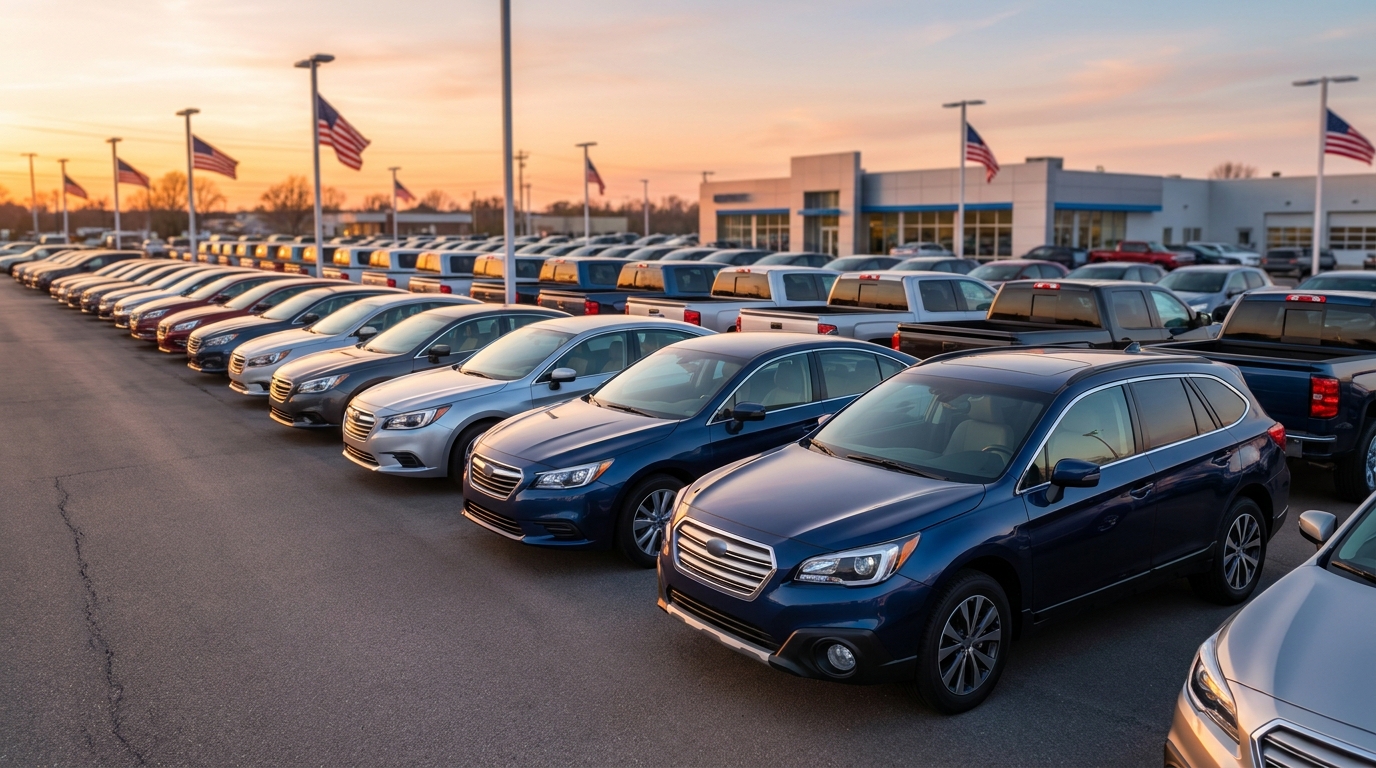
For shoppers, the practical effect is choice. Today's compact crossover often returns 30 to 35 mpg combined, a figure that would have been remarkable for a subcompact car in 2000. Hybrid versions of mainstream SUVs and pickups exist largely because CAFE math rewards them. Even gas-only trucks have gained 20 to 30 percent in efficiency over the last fifteen years.
The flip side is price and complexity. Turbochargers, hybrid systems, and advanced transmissions add cost and, sometimes, repair bills outside warranty. Buyers weighing a used vehicle from the late 2000s against a newer one should factor both fuel savings and long-term maintenance, not just the sticker mpg.
The takeaway
CAFE has nudged the US fleet from 13 mpg to roughly 26 mpg over fifty years, mostly through engineering rather than smaller vehicles. For buyers today, the practical move is to read window stickers carefully, compare hybrid and non-hybrid versions of the same model, and remember that real-world mpg lags the headline regulatory figure by a meaningful margin.