On any given week, a gallon of regular unleaded can cost around $3.10 in Mississippi and north of $4.60 in California. That spread is not random, and it is not simply a matter of greedy retailers. It reflects a stack of taxes, fuel specifications, refinery geography, and pipeline access that varies sharply by region. Here is what actually drives the gap, using figures tracked by the EIA and the US Department of Energy.
The Baseline: What Every Gallon Contains
The EIA breaks the retail price of gasoline into four components: crude oil, refining, distribution and marketing, and taxes. Crude oil is a global input, so it hits every state roughly the same on a given day. The other three vary considerably by location, and together they explain almost all of the state-to-state price gap.
In a typical month, crude accounts for roughly 50 to 60 percent of the pump price, refining another 15 to 20 percent, distribution and marketing about 10 to 15 percent, and taxes the remainder. When you see a $1.50 spread between two states, it is almost never crude doing the work. It is the other three buckets stacking up in one region and staying flat in another.
Taxes: The Most Visible Wedge
The federal gasoline tax is 18.4 cents per gallon everywhere. State and local taxes are where the divergence begins. According to figures compiled from state revenue departments and the American Petroleum Institute, combined state taxes and fees range from under 20 cents per gallon in states like Alaska and Mississippi to over 65 cents in California, Illinois, and Pennsylvania.
That alone can account for 40 to 50 cents of the interstate gap. Layer in local sales taxes and county surcharges, which apply in some metro areas, and the tax wedge in a place like Chicago or Los Angeles can approach 90 cents per gallon before a single drop of fuel is refined.
Geography and Pipeline Access
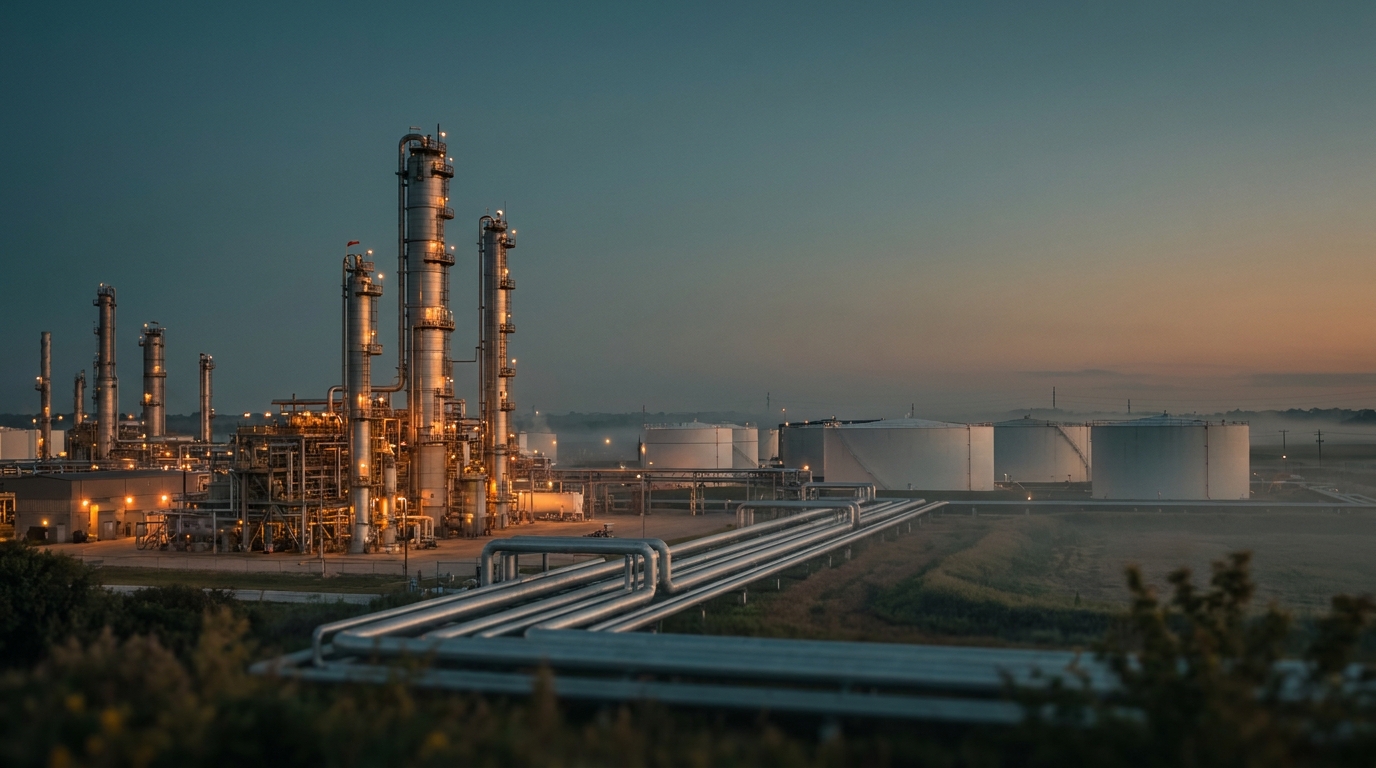
The Gulf Coast is home to roughly half of US refining capacity. States with direct pipeline access to that hub, such as Texas, Louisiana, Mississippi, and much of the Southeast, consistently see the lowest distribution costs. The Colonial Pipeline moves fuel from Houston to the New York Harbor area and keeps East Coast prices tethered to Gulf output.
The West Coast, by contrast, is essentially an island. There are no major pipelines crossing the Rockies to deliver finished gasoline from the Gulf. Fuel must come from local refineries, primarily in California and Washington, or by tanker. The Rocky Mountain region has its own small refining base and limited connectivity, which is why states like Nevada and Idaho often pay a premium despite modest tax rates.
Retail Competition and Local Costs
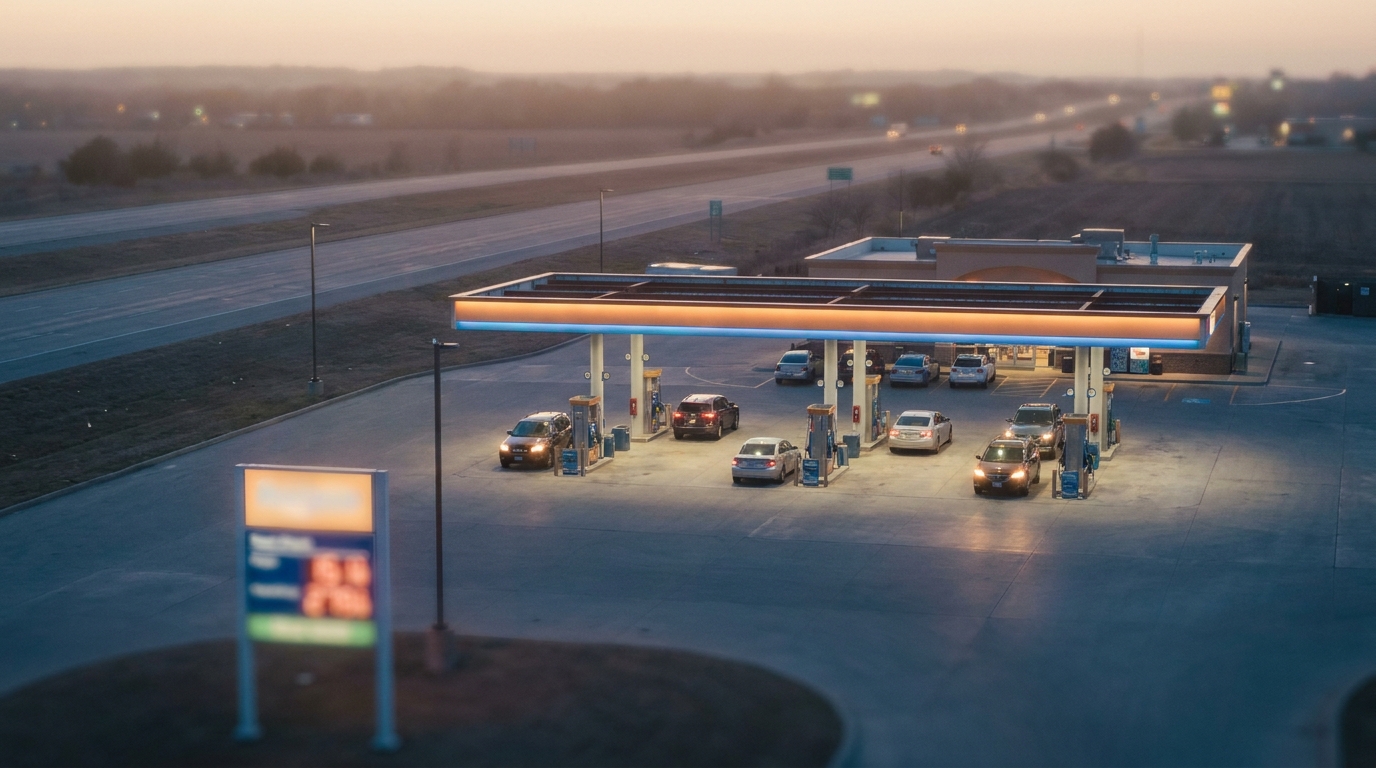
The final 10 to 20 cents of variation comes from what the EIA calls distribution and marketing. This bucket covers trucking from the terminal to the station, station operating costs, credit card fees, and retailer margin. Urban areas with high real estate costs and low station density tend to see wider margins than rural corridors with a Costco or Sam's Club nearby.
Warehouse clubs and large truck stops often price 20 to 40 cents below branded stations in the same zip code. This is why average state prices can mask enormous within-state variation. A driver in eastern Oregon may pay 50 cents less than one in Portland on the same day.
The takeaway
If you live in a high-cost state, most of the premium is baked into taxes and fuel rules you cannot avoid. The savings you can control are at the station level. Use fueleconomy.gov and price-tracking apps to find the cheapest terminal-adjacent stations, fill up on weekdays when wholesale moves settle, and avoid premium unless your owner's manual requires it.