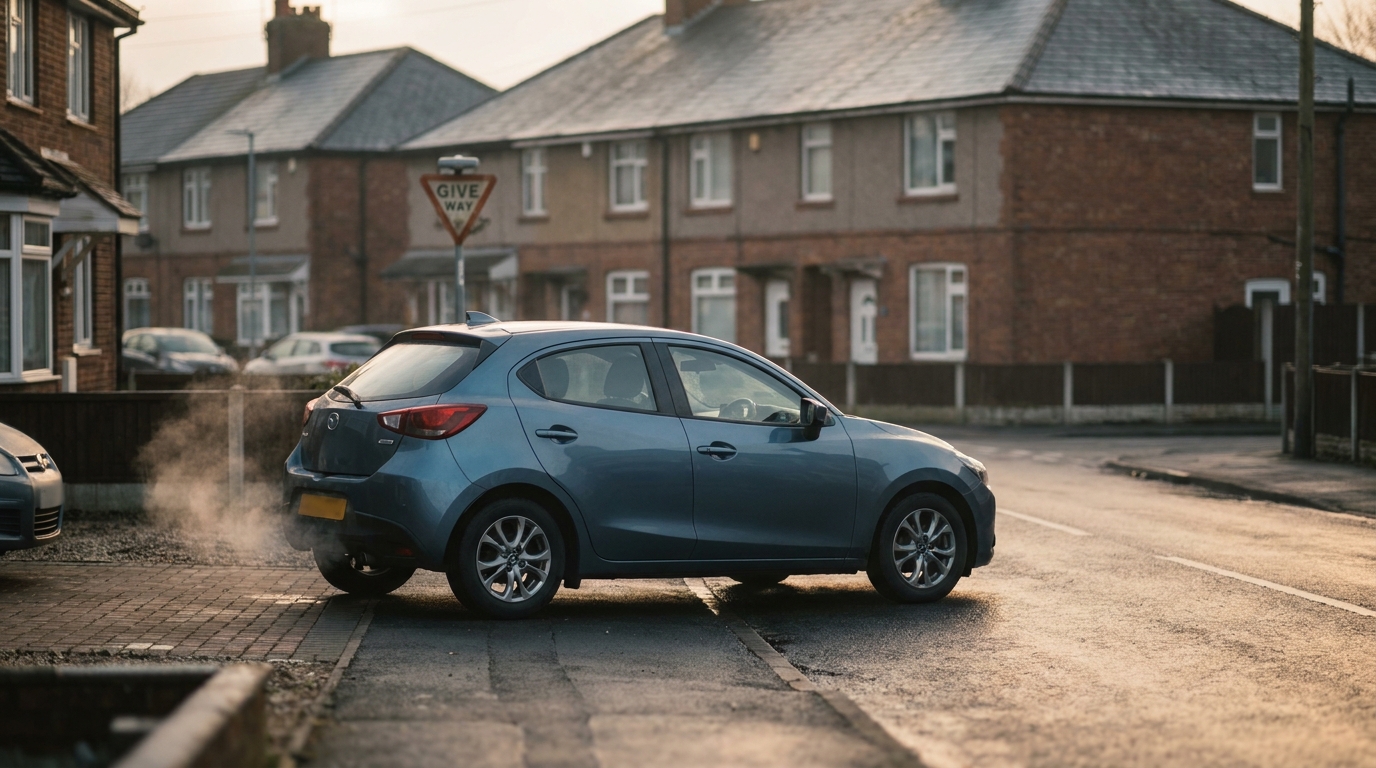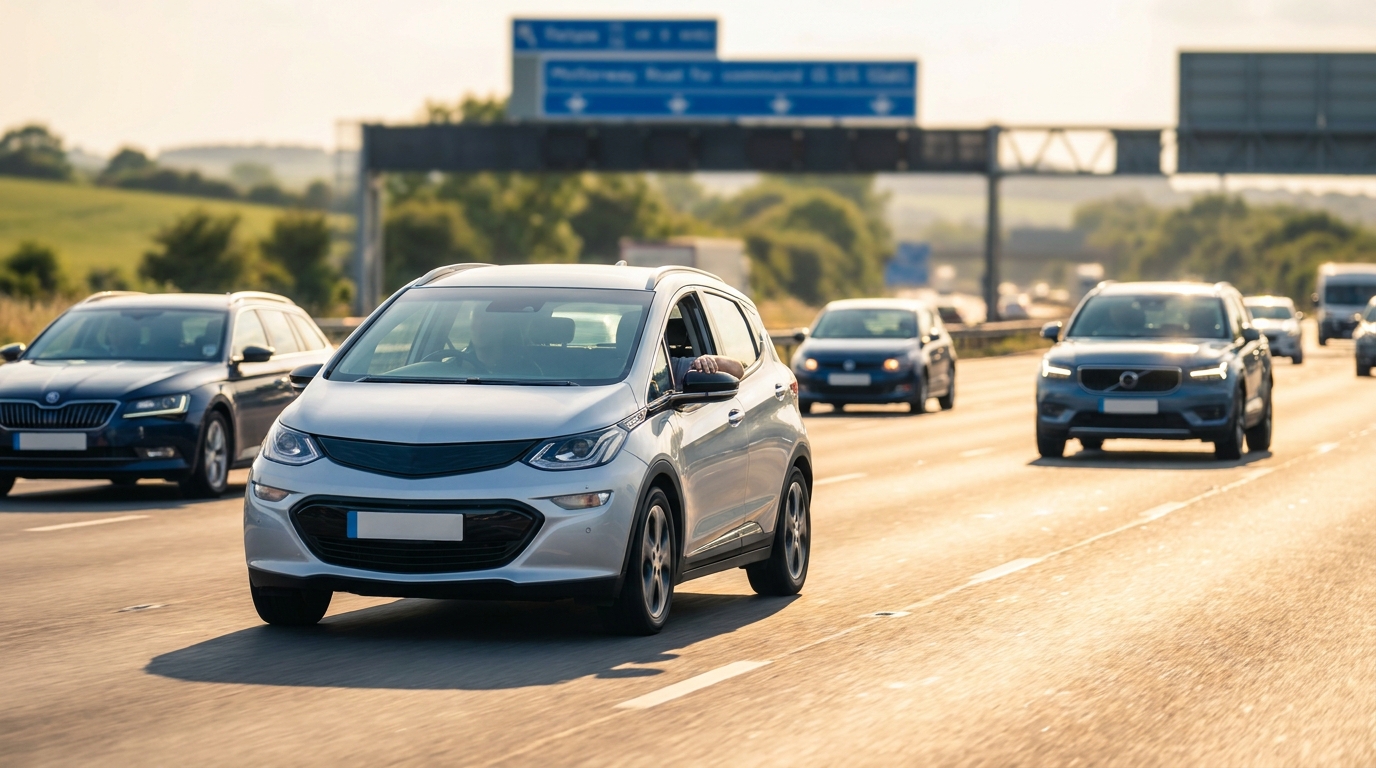
Every summer the same argument surfaces on car forums and radio phone-ins: is it cheaper to run the air-con or to drop the windows? The theory is simple enough — compressors cost fuel, open windows cost aerodynamics — but the crossover point depends on speed, cabin temperature, car shape and how honest you are about comfort. We looked at what the published UK evidence actually says, and what a realistic M1 run at 70mph implies for your MPG and your wallet at current pump prices.
What the physics — and the published tests — say
Air-con in a modern petrol or diesel car typically draws the equivalent of 0.2 to 0.4 litres of fuel per hour when the compressor is working hard. On a hot day, from a heat-soaked cabin, that figure sits at the upper end for the first ten minutes and then falls as the system cycles. The AA and the RAC have both consistently put the real-world penalty at somewhere between 5% and 10% on a warm day.
Open windows are a different beast. At urban speeds the aerodynamic penalty is negligible — you are simply moving too slowly for drag to matter. Above roughly 45–50mph the picture flips: the car has to push more disturbed air, and consumption climbs. Independent testing by outlets including What Car? and Auto Express has generally found a 3–8% MPG hit from fully open front windows at motorway speeds.
So the folklore is broadly right, but the margins are smaller than people claim. Neither option is a disaster, and both are dwarfed by the effect of simply lifting off from 80 to 70mph.
A realistic M1 scenario at 70mph
Take a typical family petrol hatchback returning around 50 MPG on a steady motorway cruise. At 70mph on a 200-mile M1 run from Luton to Leeds, that is about four litres per hour of fuel burn as a baseline. With DESNZ weekly figures putting UK unleaded around the 135p/L mark this summer (check the current DESNZ road fuel price series for the exact week), the baseline trip costs roughly £24.50.
Add air-con hard at work in 28°C heat and you lose roughly 5% — the trip creeps up to about £25.75, or an extra £1.25. Drive the same route with both front windows fully down and the sunroof open, and the aerodynamic penalty is closer to 6–7%, taking the cost to around £26.10. On this evidence, air-con narrowly wins at motorway speed, but the gap is genuinely small — pennies, not pounds.
The picture changes in stop-start traffic on the approach to a service area. Below 40mph the drag penalty of open windows all but disappears, while the compressor is still drawing power. In town, windows down is the cheaper option by a similar small margin.
What actually moves the needle
If you are trying to squeeze real savings out of a summer motorway run, the air-con debate is a rounding error compared with the big three:
- Speed: dropping from an indicated 80 to 70mph typically improves motorway MPG by 10–15%, dwarfing any climate-control choice.
- Tyre pressures: DVSA and tyre-maker data suggest under-inflation of 15psi can cost 3–5% MPG. Check pressures cold before a long trip.
- Roof boxes and bike racks: an empty roof box can cost 10–20% at 70mph. Take it off when you are not using it.
- Weight: a fully loaded boot for a two-week holiday can trim 1–2% on its own. Not huge, but real.
EVs and hybrids: a separate calculation
For battery-electric cars the trade-off shifts. Air-con draws directly from the traction battery and there is no waste engine heat to lean on, so its range penalty is usually a little larger in percentage terms — often 8–12% on a hot day, particularly for smaller EVs. Open windows still hurt aerodynamically, and EVs tend to be sensitive to drag because their motorway efficiency is already highly optimised.
In practice, most EV drivers are better off pre-cooling the cabin while still plugged in, then running the air-con at a moderate setting on the move. Full-hybrids sit somewhere in between: the compressor is often electrically driven, so short bursts of air-con at low speed are close to free, but sustained motorway cooling still costs fuel.
The takeaway
The honest answer is that on a UK motorway at 70mph, air-con costs you slightly less than open windows, but the difference is small — a pound or two on a 200-mile trip at today's pump prices. In town, windows win by a similar margin. If you genuinely want to spend less on summer fuel, ease off the throttle, check your tyre pressures, and take the roof box off. The climate-control debate is largely a distraction from the levers that actually matter.