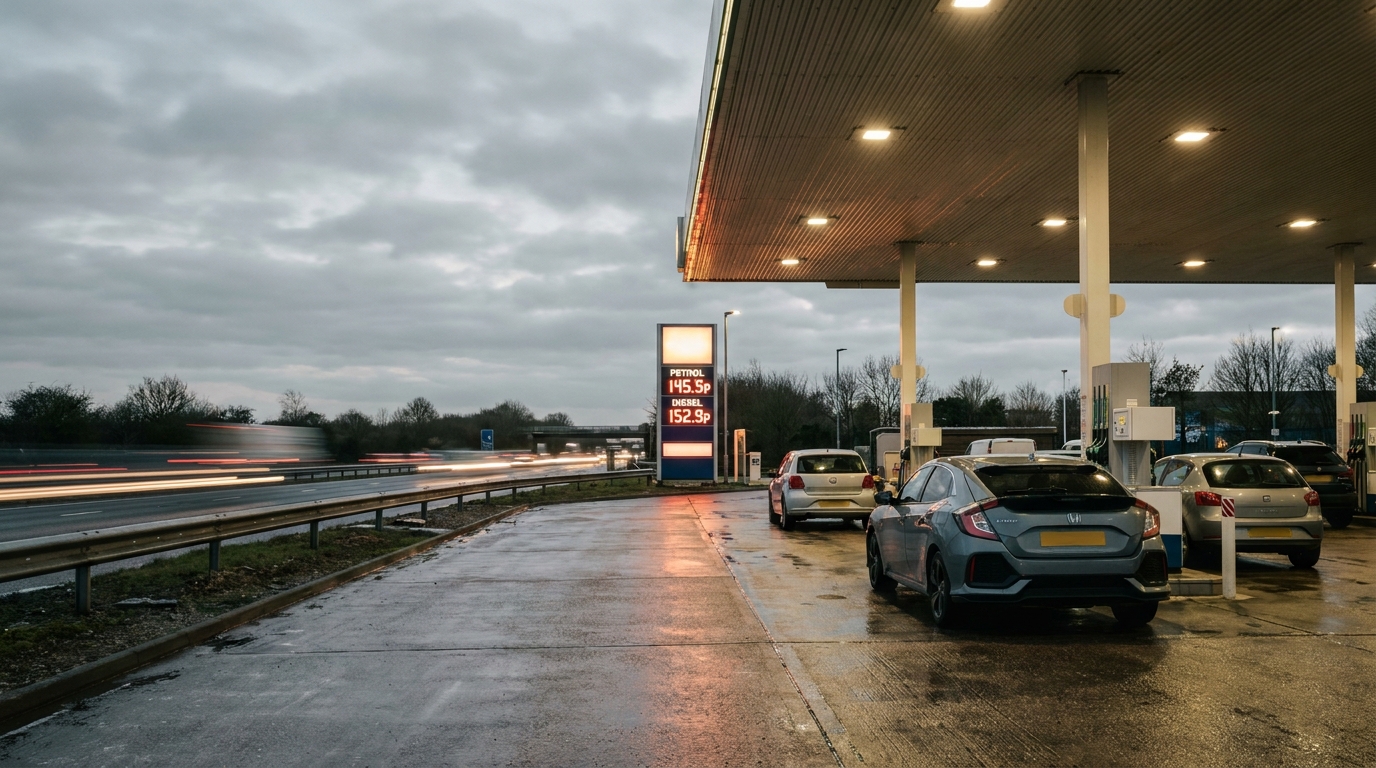
Ask most drivers what fuel duty costs them and you will hear a confident but usually wrong number. Some remember 39p a litre from the late 1990s. Others assume it has crept up every year with inflation. Neither is right. The main road-fuel duty rate has been frozen at 57.95p a litre since March 2011, cut to 52.95p in March 2022, and repeatedly extended since. This piece walks through what has actually happened between 2018 and 2026, using OBR and HMRC figures, and what it means at the pump.
Where the 39p figure comes from
The 39.12p rate that sometimes gets cited is genuine, but it dates from 1997. Duty then rose sharply under the fuel duty escalator of the late 1990s, reached 47.10p in 1999, and was climbing steadily until the 2000 protests forced the Treasury to rethink. By January 2011 the main rate on unleaded petrol and diesel had reached 58.95p a litre.
The 57.95p rate most drivers still recognise took effect on 23 March 2011, when the Coalition trimmed a penny off and cancelled the planned escalator increase. That number then stayed put for eleven consecutive Budgets, one of the longest freezes in a major UK tax. Every year the OBR's forecasts assumed the freeze would end; every year, in practice, the Chancellor extended it.
2018 to 2022: a very long freeze
Across the whole 2018 to early 2022 period, main-rate duty on petrol and diesel sat at 57.95p a litre. VAT at 20% was charged on top of the pre-tax price plus duty, so the total tax take per litre rose and fell with the wholesale price rather than with any policy change.
That matters because pump prices swung wildly in this window. According to DESNZ weekly road fuel data, average UK unleaded fell to around 106p in spring 2020 during the pandemic demand collapse, then climbed above 165p by early 2022 as wholesale markets tightened. Duty did not move a penny through any of this. The volatility drivers experienced was almost entirely a wholesale and refining story, not a tax story.
This is worth remembering when politicians take credit for, or blame each other for, pump prices in these years. The Treasury's lever was untouched.
March 2022: the 5p cut
In the Spring Statement of 23 March 2022, with Brent crude above $110 a barrel following Russia's invasion of Ukraine, Rishi Sunak announced a 5p per litre cut to main-rate fuel duty, taking it to 52.95p. The cut was framed as a temporary 12-month measure and was the largest single cash reduction in fuel duty on record.
The RAC and the AA both noted at the time that the saving reaching the pump was smaller and slower than the headline suggested. The Competition and Markets Authority later found that retailer margins on fuel had widened materially from 2019 levels, particularly at supermarkets, meaning part of the intended relief was absorbed rather than passed through.
2023 to 2026: extended, extended, extended
In the March 2023 Budget, Jeremy Hunt extended the 5p cut for a further 12 months and again cancelled the inflation-linked rise the OBR had baked into its forecast. In the March 2024 Budget he did the same, keeping duty at 52.95p through to March 2025.
The 2024 Autumn Budget under Rachel Reeves extended the cut once more, to 22 March 2026. The OBR's post-Budget documents continue to assume that duty then reverts to 57.95p and resumes RPI indexation, which would add roughly 7p a litre in one step if implemented. Every recent Chancellor has assumed that reversal in the forecast; none has actually delivered it.
What it means at the pump
On a 55-litre tank, the difference between 57.95p and 52.95p duty is £2.75. Over 12,000 miles a year in a car doing 45 MPG, that is around £34 a year. Useful, but small next to the swings in wholesale prices, which have moved unleaded by 40p or more within a single year.
The more important point for household budgets is what happens next. If duty reverts to 57.95p in March 2026 and RPI indexation restarts, the OBR's own numbers imply fuel duty receipts rising from about £24.7 billion in 2024-25 to roughly £30 billion by the late 2020s. That is the fiscal reason the freeze cannot continue indefinitely, and the reason drivers should treat 52.95p as a floor rather than a settled rate.
The takeaway
Fuel duty has done far less over the past eight years than most drivers assume. The main rate sat at 57.95p from 2011 to March 2022, then dropped to 52.95p and has been held there by successive Chancellors ever since. The pump-price drama of 2020 to 2023 was a wholesale and margin story, not a duty story. The real question for 2026 is whether the Treasury finally lets the freeze end, in which case a step-change of around 7p a litre is on the table.