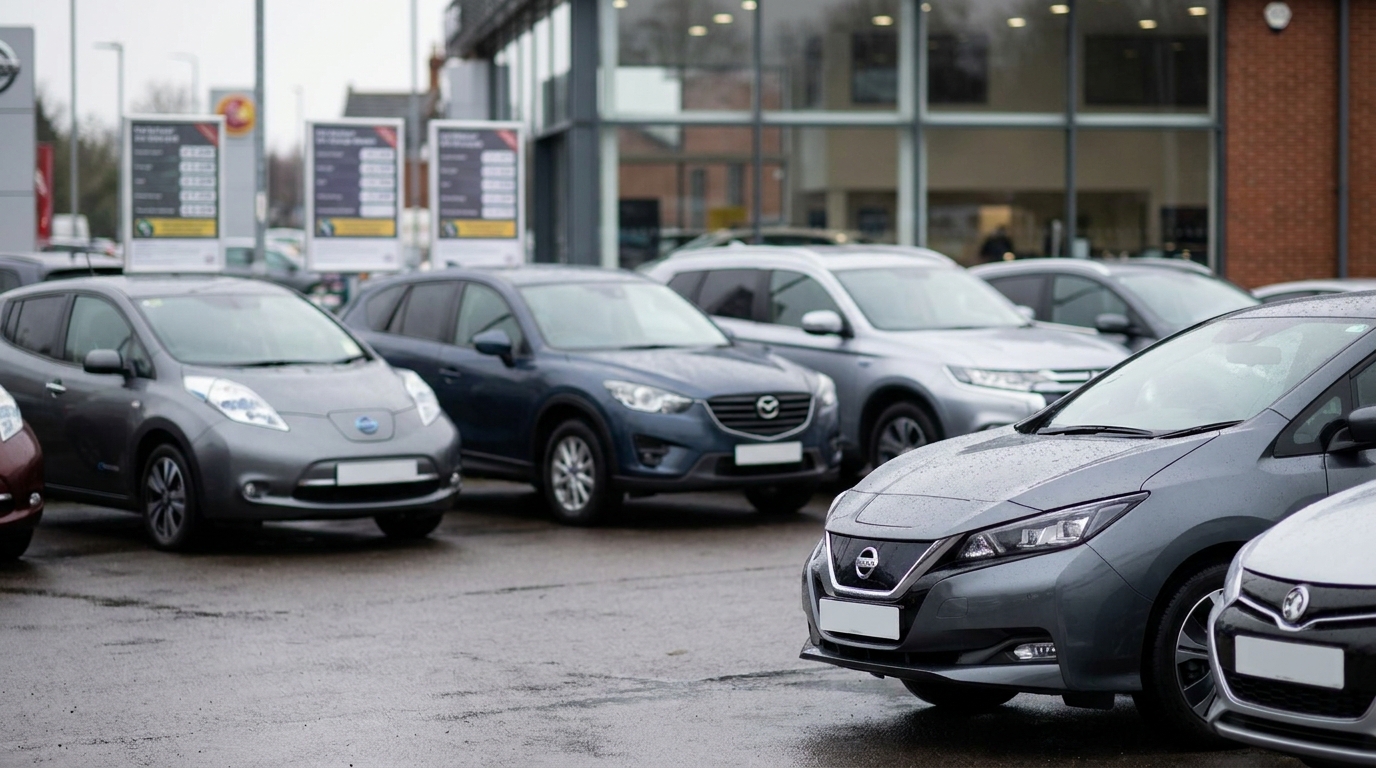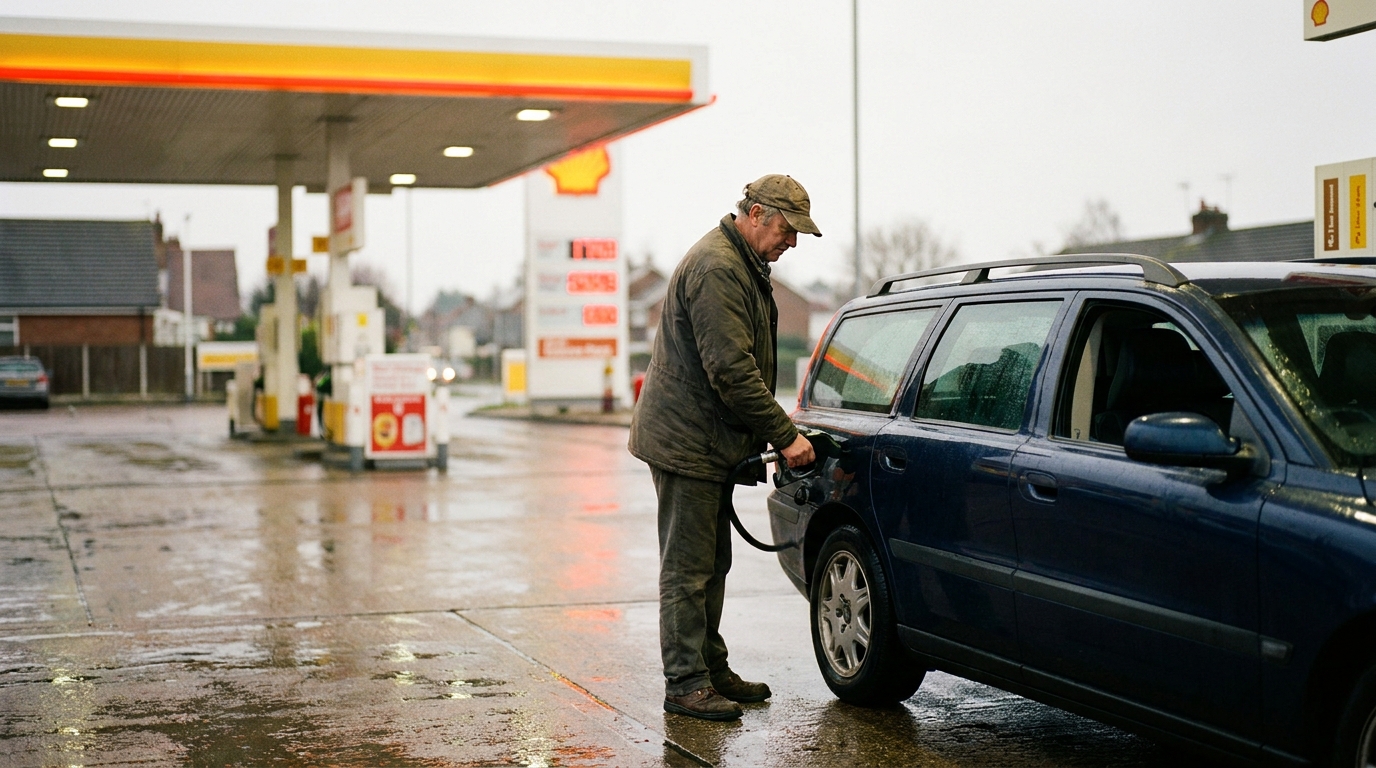
Diesel's share of the UK used market has fallen sharply since 2017, and pump prices have often sat 5 to 10p above petrol in recent DESNZ weekly reports. Yet for certain drivers — high-mileage commuters, caravan owners, rural families in large SUVs — a well-chosen used diesel still undercuts petrol and even some hybrids on total cost per mile. The question in 2026 is narrower than it used to be: which specific used diesels still make financial sense, and which have quietly become money pits?
Where the diesel maths still works
The break-even point between petrol and diesel depends on three moving parts: the pump gap, real-world MPG, and annual mileage. With the AA and RAC both tracking a persistent diesel premium of roughly 6 to 9p per litre through 2024 and into 2025, a diesel now needs to deliver around 15 to 20 per cent better real-world economy than its petrol equivalent to break even at 12,000 miles a year.
That threshold is comfortably cleared by larger, heavier vehicles. A used Skoda Superb 2.0 TDI or Ford Kuga 1.5 EcoBlue will realistically return 50 to 55 MPG on mixed use, while their petrol counterparts struggle past 40 MPG in the same hands. Above 15,000 miles a year, the diesel version can save £300 to £500 annually in fuel alone, even after the pump premium.
The picture flips at low mileage. Below about 8,000 miles a year — the ONS estimate for the average UK car — the fuel savings rarely recover the higher purchase price, higher servicing costs and the DPF risks that come with short urban trips.
The used diesels that still stack up
Not every diesel ages gracefully. The ones that hold up mechanically and financially tend to share three traits: a proven engine family, Euro 6d or 6d-TEMP compliance (so they enter London's ULEZ without the £12.50 daily charge), and a body style where petrol alternatives are genuinely thirsty.
Based on running-cost data from What Car?, Parkers and the RAC's fuel calculators, these are the categories where a 2019–2022 used diesel still wins on cost per mile:
The diesels to avoid in 2026
Small diesel hatchbacks are the clearest trap. A used Ford Fiesta 1.5 TDCi or Vauxhall Corsa 1.3 CDTi looks cheap on the forecourt, but the fuel saving over the equivalent petrol is marginal, DPF regenerations fail on short trips, and buyer demand is thin when you come to sell. A used petrol or mild-hybrid supermini is almost always the smarter buy.
Pre-2016 diesels are a separate problem. Anything Euro 5 or earlier faces the £12.50 ULEZ charge in London and daily Clean Air Zone fees in Birmingham, Bristol, Sheffield, Bradford, Tyneside and Greater Manchester's expanding scheme. Even if you never drive into those zones, resale values reflect the restriction.
Finally, be cautious with high-mileage premium diesels — the BMW 320d, Mercedes E220d and Audi A6 TDI are superb long-distance cars, but AdBlue system faults, injector failures and EGR problems above 100,000 miles can generate four-figure repair bills that erase years of fuel savings.
A quick decision framework
Before signing anything, run three numbers: your genuine annual mileage (check the last three MOTs on the DVSA service), the real-world MPG from Honest John or Spritmonitor rather than the WLTP sticker, and the current DESNZ weekly petrol-diesel gap.
If you cover more than 12,000 miles a year, mostly on motorways or A-roads, in a car heavier than about 1,500 kg, a Euro 6 used diesel still likely wins. If you drive under 8,000 miles a year in town, a used petrol, mild hybrid or full hybrid will almost certainly cost less to run and less to fix.
The takeaway
Used diesel in 2026 is a narrower, sharper proposition than a decade ago. For the right driver — high annual mileage, larger vehicle, motorway-heavy pattern, Euro 6d engine — it still delivers meaningful savings against petrol and holds its own against some hybrids. For everyone else, the combination of the pump premium, urban clean-air charges and ageing emissions kit means a petrol or hybrid will quietly cost less over three years of ownership. Do the sums with your own mileage before the badge decides for you.