Eco-driving is one of the few fuel-saving ideas that costs nothing and works immediately — but the numbers quoted for it are all over the place. The Department for Transport has cited savings of around 15% from smoother driving; some manufacturer training courses claim 20% or more; independent testers often find closer to 5–10% once real traffic is factored in. So what can a typical UK driver actually expect to save, and does it depend on whether you drive a petrol hatchback, a diesel estate, a hybrid or an EV? The honest answer is: yes, quite a lot.
What eco-driving actually means
Strip away the branding and eco-driving is a short checklist: anticipate further ahead, accelerate gently but purposefully, shift up early (or let the automatic do so), keep to the speed limit rather than 5–10 mph above it, and coast in gear when you can see you'll need to slow. Correct tyre pressures, removing roof bars when not needed, and not carrying unnecessary weight are usually bundled in.
None of this is new. The Energy Saving Trust and the AA have published broadly similar advice for over a decade, and the DVSA now assesses eco-driving indirectly during the practical test. What has changed is the price of fuel: with UK pump prices tracked weekly by DESNZ hovering well above the pre-2021 norm, even a 7% saving is meaningful money.
The important caveat is that savings compound only if the habits stick. A one-week experiment tends to overstate the effect; a year of steadier driving tends to understate it, because you also brake less, wear tyres less and — for EVs — reduce fast-charging frequency.
Realistic savings by car type
Independent testing by the AA, What Car? and various fleet operators broadly agrees on the shape of the results, even where the exact percentages differ. Petrol cars gain the most from smoother throttle use; diesels gain less because they are already efficient at part-load; full hybrids benefit strongly in town but modestly on the motorway; EVs respond most to speed and less to acceleration style.
The table below shows a reasonable central estimate for a driver switching from average habits to consistent eco-driving. It assumes a 10,000-mile annual mileage and uses pump/electricity prices in line with recent DESNZ and Ofgem figures. These are typical outcomes, not best-case laboratory numbers.
For a petrol supermini doing 45 MPG, moving to a genuine 50 MPG is a saving of roughly £110 a year at 140 p/L. For a diesel SUV doing 40 MPG, an improvement to 43 MPG saves a similar amount despite the smaller percentage, because the fuel bill is bigger to start with.
| Car type | Baseline economy | After eco-driving | Typical saving | Approx. £/year |
|---|---|---|---|---|
| Petrol supermini | 45 MPG | 49–50 MPG | 8–10% | £100–£115 |
| Petrol family hatch | 40 MPG | 43–44 MPG | 7–10% | £110–£130 |
| Diesel estate/SUV | 45 MPG | 48 MPG | 5–7% | £90–£120 |
| Full hybrid (urban) | 55 MPG | 62 MPG | 10–12% | £100–£120 |
| Plug-in hybrid | varies | varies | 10–20% | £120–£200 |
| Battery EV | 3.6 mi/kWh | 3.9 mi/kWh | 6–8% | £45–£70 |
Where the savings are largest
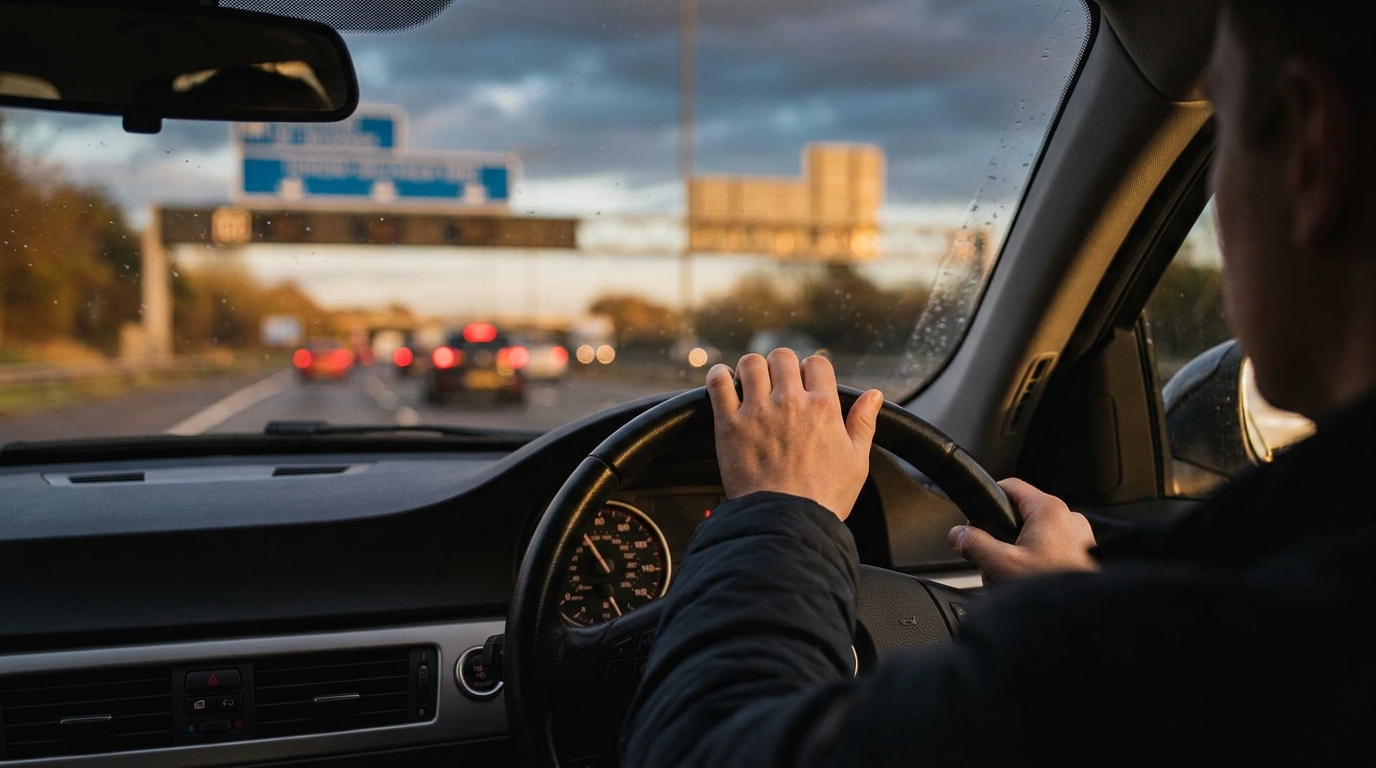
The biggest single lever is motorway speed. RAC Fuel Watch and manufacturer data both show that dropping cruising speed from 80 to 70 mph typically cuts consumption by 10–15% on petrol and diesel cars, and by a similar margin on EVs because aerodynamic drag rises with the square of speed. This alone can outweigh every other eco-driving tip combined.
The second biggest is anticipation in urban driving. Repeated hard braking wastes the energy you just paid to put into the car. Hybrids recover some of it; conventional cars recover none. For plug-in hybrids, keeping the battery charged and using EV mode in town shifts the biggest share of urban miles onto cheaper electricity.
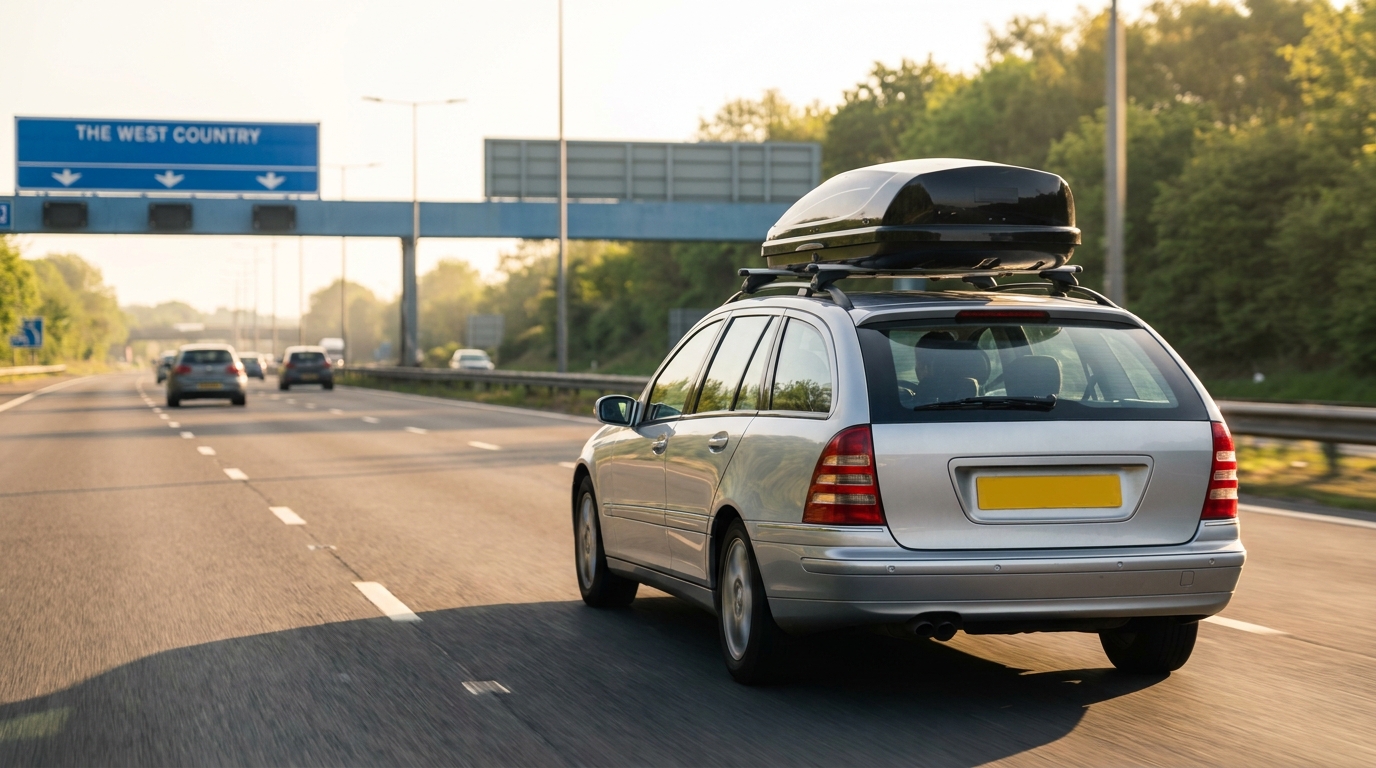
Finally, there is the boring category: tyres and load. The DVSA and tyre industry data suggest under-inflation of around 6 psi can raise consumption by 2–3%. Roof boxes left on all summer can add 10–20% at motorway speeds. Neither is glamorous; both are essentially free to fix.
When eco-driving barely helps
There are cases where the returns are small. Short, cold trips of under three miles are dominated by warm-up losses; no amount of gentle throttle work will fix a cold engine running rich. If most of your driving is like this, a hybrid or EV will save far more than technique ever can.
Stop-start city traffic with modern automatic gearboxes also leaves little room to improve — the car is already doing most of the smoothing for you. And for EVs in mild weather, the difference between assertive and gentle driving is often only 5–8%, because regenerative braking claws back much of the waste.
None of this makes eco-driving pointless. It just means the honest headline figure for most UK drivers is closer to 7–10% than the 20% sometimes quoted.
The takeaway
Eco-driving is real, free and worth doing — but the realistic prize is a 7–10% saving for most drivers, rising to 12–15% if you also drop your motorway cruising speed. Petrol cars and larger vehicles benefit most in percentage and cash terms; EVs and modern automatics benefit least. Treat any claim above 20% with scepticism unless it involves changing the car itself. Keep tyres correctly inflated, take the roof box off, and lift off earlier: the numbers add up quietly over a year.