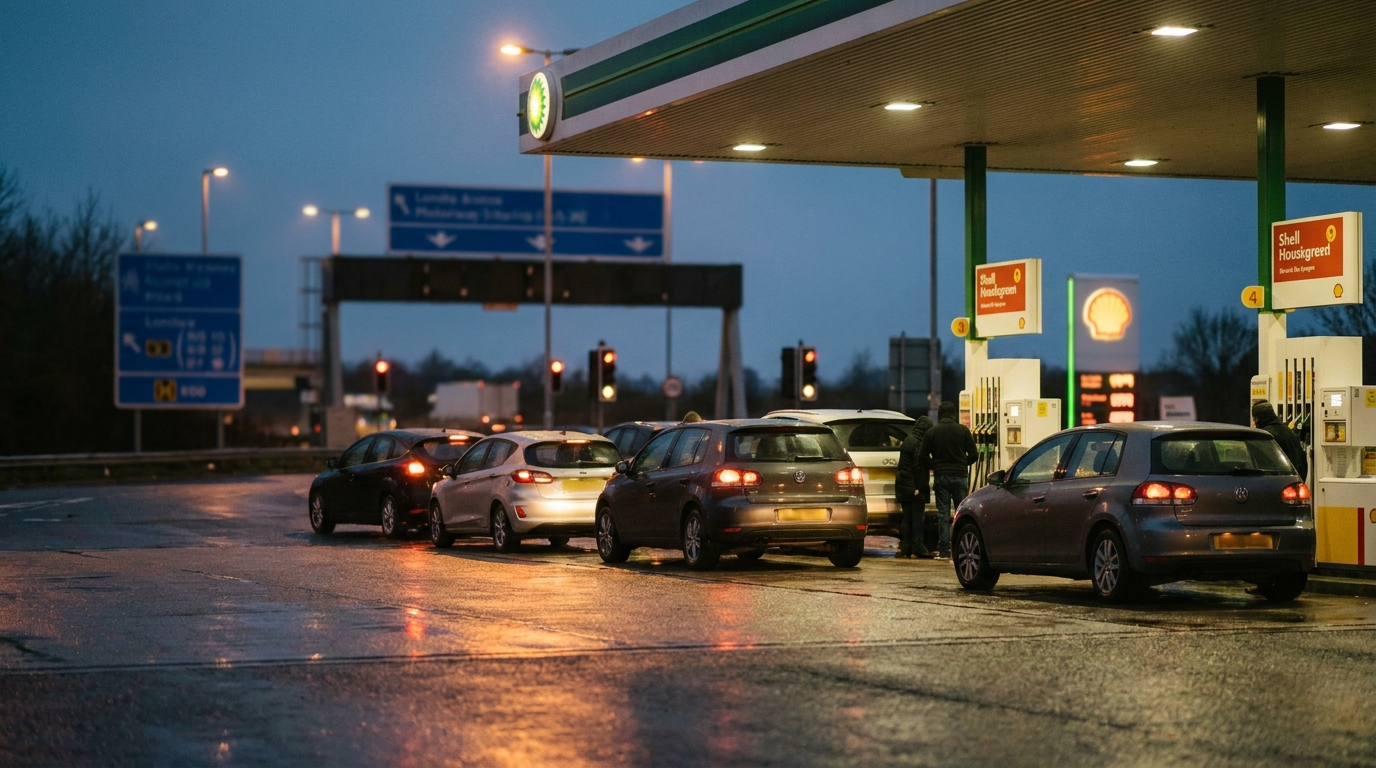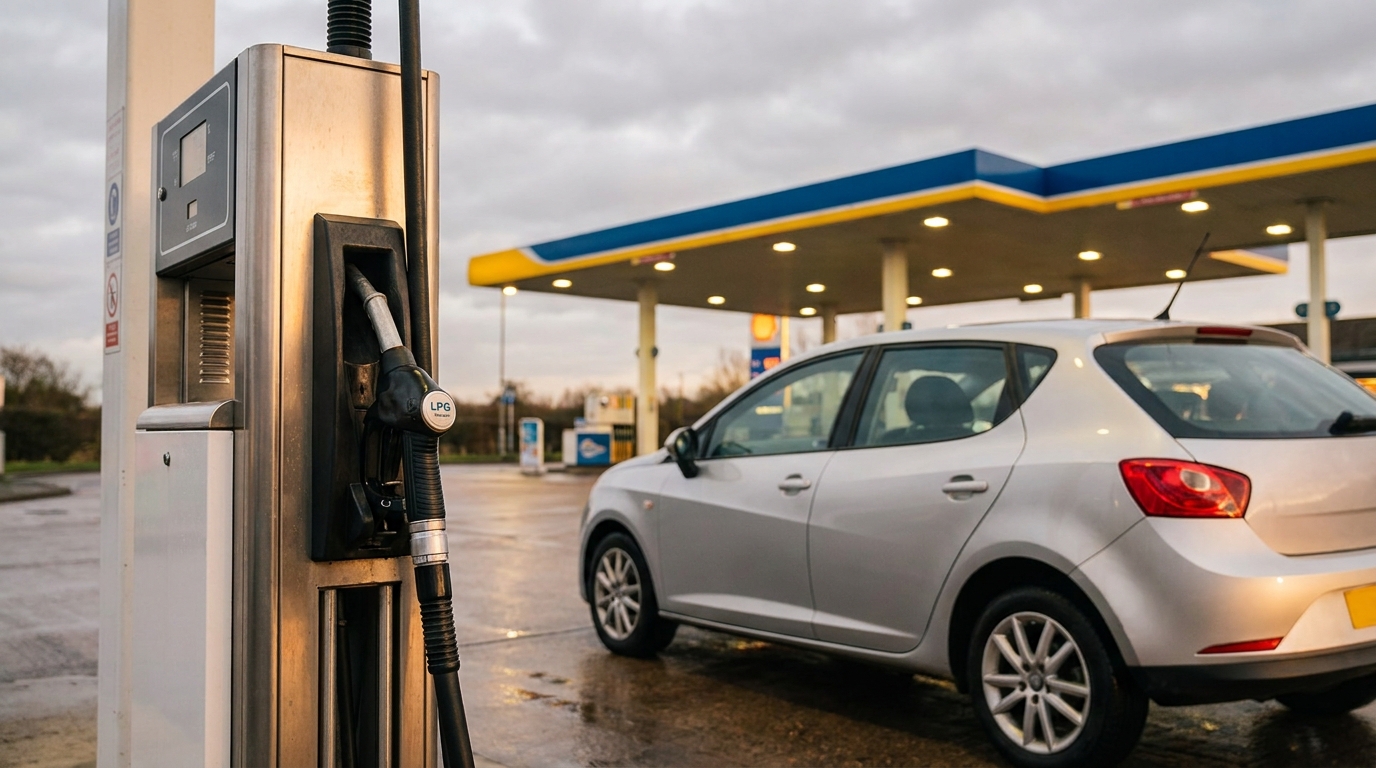
Liquefied petroleum gas (LPG, also called autogas) has quietly persisted on a few hundred UK forecourts while the headlines focus on EVs and hybrids. At current pump prices, LPG sells for around 95p per litre against petrol closer to 135p — a gap of roughly 40p that looks like an easy win. But a conversion costs real money upfront, LPG delivers fewer miles per litre than petrol, and the UK refuelling network is thinning. Before signing up for a bi-fuel install, it is worth running the payback period carefully with 2026 prices and realistic annual mileage.
What a conversion actually costs in 2026
A professional LPG conversion from a DVSA-recognised LPGA-approved installer typically runs £1,800 to £2,500 for a four-cylinder petrol car, and £2,500 to £3,500 for a six-cylinder or larger engine. The work involves fitting a separate LPG tank (usually in the spare wheel well or boot), a vaporiser, dedicated injectors and an ECU that switches between fuels. Direct-injection petrol engines are more complex and sometimes not supported at all.
On top of the install, you should budget for a specialist service every 20,000 miles or so, and factor in that resale value gains are modest — most used-car buyers see a bi-fuel conversion as neutral at best. Insurance must be notified, though premiums rarely move materially. Treat the headline conversion price as the floor, not the ceiling.
The per-mile maths at current pump prices
LPG contains roughly 25% less energy per litre than petrol, so a car that returns 40 MPG on unleaded will typically manage around 32 MPG on autogas. That matters: the pump price gap shrinks once you account for consumption. Using indicative 2026 prices — petrol at 135p/L and LPG at 95p/L, broadly in line with DESNZ weekly road fuel data and AA Fuel Price Report trends — a 40 MPG petrol car costs about 15.3p per mile to fuel. The same car on LPG at 32 MPG costs about 13.5p per mile.
That is a saving of roughly 1.8p per mile, or about £180 per 10,000 miles. For a 15,000-mile-a-year driver the gross annual saving sits near £270. Against a £2,000 conversion, simple payback lands at about seven to eight years. Push the mileage to 25,000 a year and payback falls below five years; drop to 8,000 miles and it stretches past a decade.
Who should actually consider it
LPG conversion makes most sense for a specific profile of driver, and poorly for everyone else. The sweet spot is a high-mileage user running a larger-engined, port-injected petrol car that is otherwise expensive to feed and not easily replaced by an EV.
The groups most likely to see genuine payback include:
The verdict for 2026
At today's prices the economics are workable but not spectacular. Payback periods of five to eight years assume stable fuel duty, a working local LPG pump and a car you plan to keep. Change any one of those and the business case weakens quickly.
For most private motorists doing average mileage in a modern small petrol car, the £2,000 is better spent elsewhere — on tyres, a cautious switch to a used hybrid, or simply held in reserve. For the right high-mileage driver with the right car, LPG remains one of the few genuinely cheaper ways to cover ground on four wheels in the UK.
The takeaway
LPG conversion in 2026 is a niche tool, not a mass-market fuel-saving hack. The 40p/L pump gap looks dramatic but shrinks to under 2p per mile once lower energy density is accounted for. Payback typically sits between five and eight years at average mileage, and depends on fuel duty policy staying put and a convenient local autogas pump surviving. Run the numbers against your own mileage and keep intentions before committing — and discount any installer promising payback inside three years.